Cold Sores Treatment
Fast, professional treatment for cold sores caused by the herpes simplex virus. Get expert assessment and antiviral prescriptions at your local pharmacy.
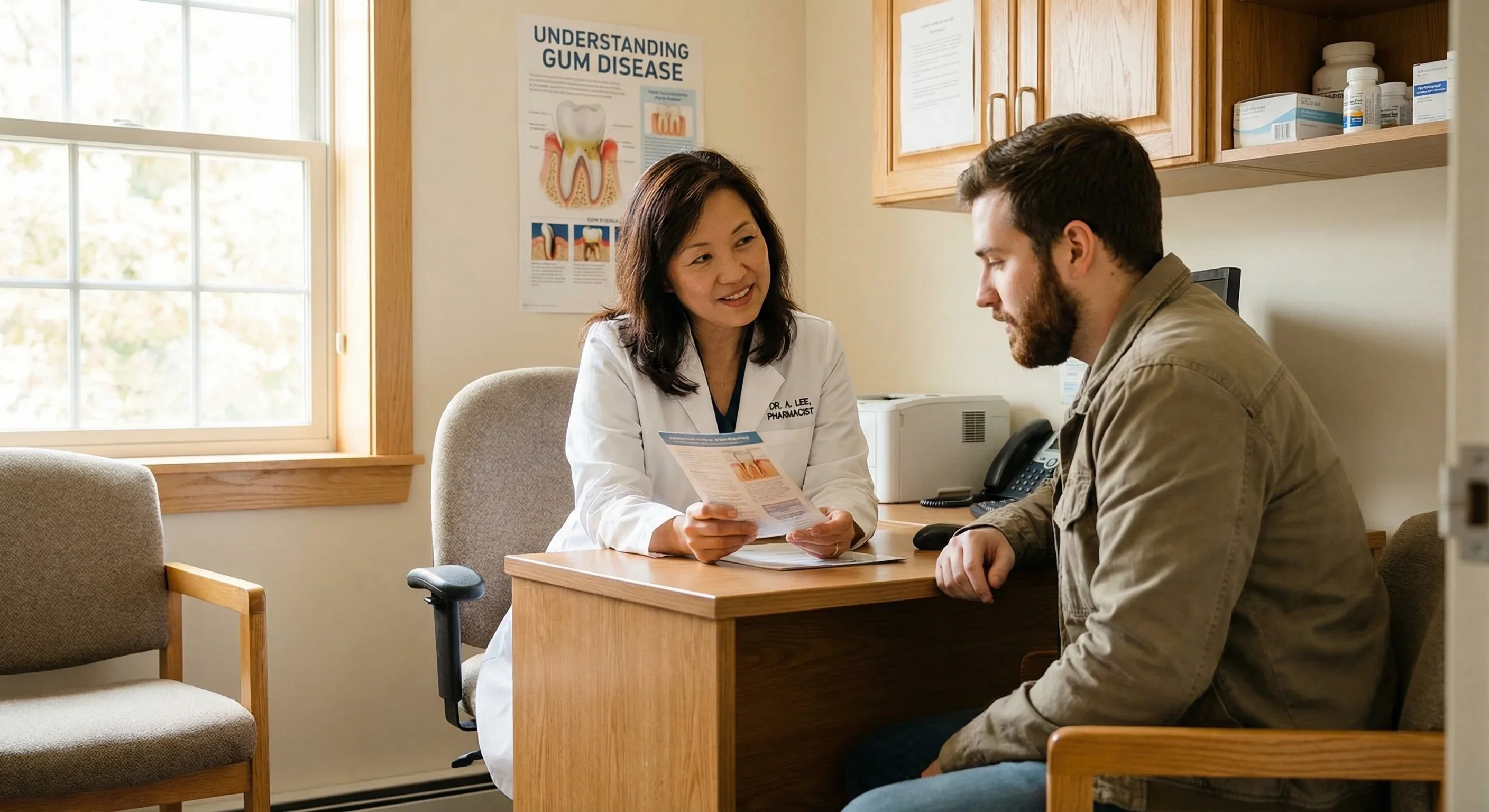
What are Cold Sores?
Cold sores are tiny, fluid-filled blisters caused by the herpes simplex virus (HSV). They appear most often on the lips and face, though in adults they can also appear on the genitals. Most people are exposed to the virus when they're young after close skin-to-skin contact with someone who has a cold sore.
Once you've been infected, the virus remains dormant in your body and can reactivate to cause new cold sores. This reactivation is typically triggered by illness, sun exposure, stress, or hormonal changes. Cold sores are common and usually clear up on their own within 10 days without leaving a scar.
Through the HSE Common Conditions Service, pharmacists can now assess your cold sores, provide expert advice, and prescribe antiviral treatment to speed up healing and reduce discomfort - all without needing a GP appointment.
Signs & Symptoms
In adults, cold sores typically:
- • Start with a tingling, itching or burning feeling
- • Develop into blisters within 48 hours that leak fluid
- • Crust over into a scab before healing
- • Take up to 10 days to heal completely
Symptoms in Children
Children may experience additional symptoms beyond the typical blisters:
- Clusters of blisters inside and outside the mouth and on the tongue
- Sore gums and throat
- Swollen glands and increased saliva
- High temperature and headaches
- Refusing to drink fluids
Cold sores can spread to a child's fingers (if they suck their fingers) or eyes (if they touch an open sore and then rub their eyes).
When to See a Pharmacist
A pharmacist can help you through the Common Conditions Service if:
You're experiencing the early signs of a cold sore (tingling or burning)
You have visible cold sore blisters and want faster healing
You need quick access to treatment without waiting for a GP appointment
You want professional assessment and advice on managing cold sores
See a GP or get urgent care if:
- • Your cold sore hasn't started to heal within 10 days
- • The cold sore is very large or painful
- • A child gets a cold sore on their eyelid or around their eyes
- • You're pregnant (increased risk of neonatal herpes)
- • You have a weakened immune system
- • Cold sores keep coming back frequently
⚠️ Danger to Babies
Cold sores can be fatal to newborn babies and dangerous for older babies and children.
Never kiss a baby if you have a cold sore!
Always wash your hands before contact with babies and cover cold sores when breastfeeding.
Treatment Available
The most effective treatment for cold sores is antiviral cream (aciclovir), which works best when started early - ideally during the tingling stage before blisters appear. Through the Common Conditions Service, your pharmacist can prescribe this for you following a professional assessment.
What the pharmacist will do:
- •Conduct a full clinical assessment following HSE protocols
- •Review your medical history and current medications
- •Check for any allergies or contraindications
- •Prescribe antiviral cream (aciclovir) if appropriate
- •Provide advice on preventing spread and managing symptoms
- •Refer you to a GP if needed
Additional Treatment Options
- Cold sore patches to protect the skin while it heals
- Pain relief creams to ease discomfort
- Paracetamol or ibuprofen for pain and fever (liquid paracetamol available for children)
- Antiviral tablets - your GP may prescribe these if cold sores are very large, painful, or keep recurring
Self-Care at Home
- Drink lots of fluids and eat cool, soft foods
- Wash your hands often with soap and warm water
- Use sunblock lip balm (SPF15 or above) when outside
- Avoid touching cold sores except when applying cream
- Don't share items that touch cold sores (towels, cutlery, cold sore creams)
- Don't kiss anyone while you have an active cold sore
How to Book a Consultation
Option 1: Book Online
Search for pharmacies in your area and book your consultation time online.
Find a PharmacyOption 2: Walk In or Call
Visit your local participating pharmacy directly or call ahead to book an appointment. Most pharmacies offer same-day consultations.
Consultation fee: Set by each pharmacy and shown when you book. Prescribed medication costs are additional, but may be covered under your medical card or Drug Payment Scheme (DPS).
Frequently Asked Questions
What causes cold sores?
Cold sores are caused by the herpes simplex virus type 1 (HSV-1). Most people are exposed to this virus when they're young after close skin-to-skin contact with someone who has a cold sore. After initial infection, the virus remains dormant in nerve cells and can reactivate causing recurring outbreaks. Common triggers include stress, illness, sun exposure, hormonal changes (menstruation, pregnancy), and weakened immune system.
How long do cold sores last?
Cold sores typically heal within 7-10 days without treatment. The progression: 1-2 days of tingling/burning sensation, then small fluid-filled blisters appear within 48 hours, blisters weep and crust over into scabs within 48-72 hours, complete healing by day 7-10. Treatment with antiviral cream (aciclovir) can reduce duration to 5-7 days if started early during the tingling phase.
Can I get cold sore treatment from a pharmacist?
Yes. Under the HSE Common Conditions Service, pharmacists can assess your cold sores and prescribe prescription-strength antiviral treatment (aciclovir cream 5%) if clinically appropriate. The consultation includes medical history review, symptom assessment, and personalized treatment advice. Treatment works best when started early, ideally during the tingling stage before blisters appear. The consultation fee is set by each pharmacy and shown when you book.
When should I see a doctor instead of a pharmacist?
See a GP urgently if: cold sore hasn't healed within 10 days; very large or painful lesions; you're pregnant (risk of neonatal herpes); weakened immune system (HIV, chemotherapy, immunosuppressive medications); cold sores recurring frequently (more than 6 times per year). EMERGENCY for children: cold sore on/near eyes, signs of encephalitis (confusion, difficulty speaking/breathing, seizures). Cold sores can be fatal to newborn babies - never kiss a baby with an active cold sore.
Are cold sores contagious?
Yes, highly contagious from first tingling sensation until completely healed and crusts have fallen off. Spread through: kissing, sharing utensils/towels/lip products, touching sore then touching another person. Prevention: avoid kissing while active, don't share items that touch mouth, wash hands frequently, don't touch sores. Most contagious when blisters are weeping fluid. Can spread to other body parts (eyes, genitals, fingers) through touch.
How can I prevent cold sore outbreaks?
Prevention strategies: Use SPF 15+ lip balm daily (UV protection); manage stress through relaxation techniques; get adequate sleep; maintain strong immune system with healthy diet; avoid known personal triggers; wash hands frequently; don't touch or pick at cold sores. For frequent recurrences (6+ per year), GP may prescribe suppressive therapy with daily low-dose antiviral medication to reduce outbreak frequency.
Can cold sores be dangerous for babies?
Yes - cold sores can be FATAL to newborn babies (neonatal herpes). The infection can spread to baby's organs and brain. NEVER kiss a baby if you have a cold sore. Precautions: wash hands before touching baby; cover cold sore when breastfeeding; don't touch sore then touch baby or breast; if baby develops symptoms (blisters, fever, poor feeding, irritability), seek emergency medical care immediately. Pregnant women with first HSV infection need urgent medical attention.
What is the best treatment for cold sores?
Most effective: Prescription antiviral cream (aciclovir 5%) applied 5 times daily for 5 days, starting at first tingling sensation. For severe/recurrent cases: oral antiviral tablets (aciclovir 200-400mg five times daily). Over-the-counter: cold sore patches (hydrocolloid), pain relief (paracetamol, ibuprofen). Home care: cold compress, stay hydrated, eat soft foods, avoid triggers. Pharmacists can prescribe antivirals under Common Conditions Service. Treatment started within 24 hours of symptoms reduces healing time by 1-2 days.
How much does a pharmacy consultation for cold sores cost?
The consultation fee is set by each pharmacy and shown when you book. The cost of prescribed medication (antiviral cream) is additional. However, if you have a medical card, prescribed medication may be covered under the GMS scheme, though the consultation fee still applies. If you're registered under the Drugs Payment Scheme (DPS), you pay maximum €80 per month for approved medications. Private prescription medication costs vary but aciclovir cream typically costs €8-15.
Find Participating Pharmacies
All pharmacies offering the Common Conditions Service provide treatment for all eight conditions, including cold sores.
Search Pharmacies Near YouMedical content source: HSE.ie (Health Service Executive, Ireland)
Information accurate as of February 2026. For official HSE guidance, visit hse.ie/conditions/cold-sores