Conjunctivitis Treatment
Fast, professional treatment for pink eye and eye infections. Get expert assessment and antibiotic eye drops at your local pharmacy.
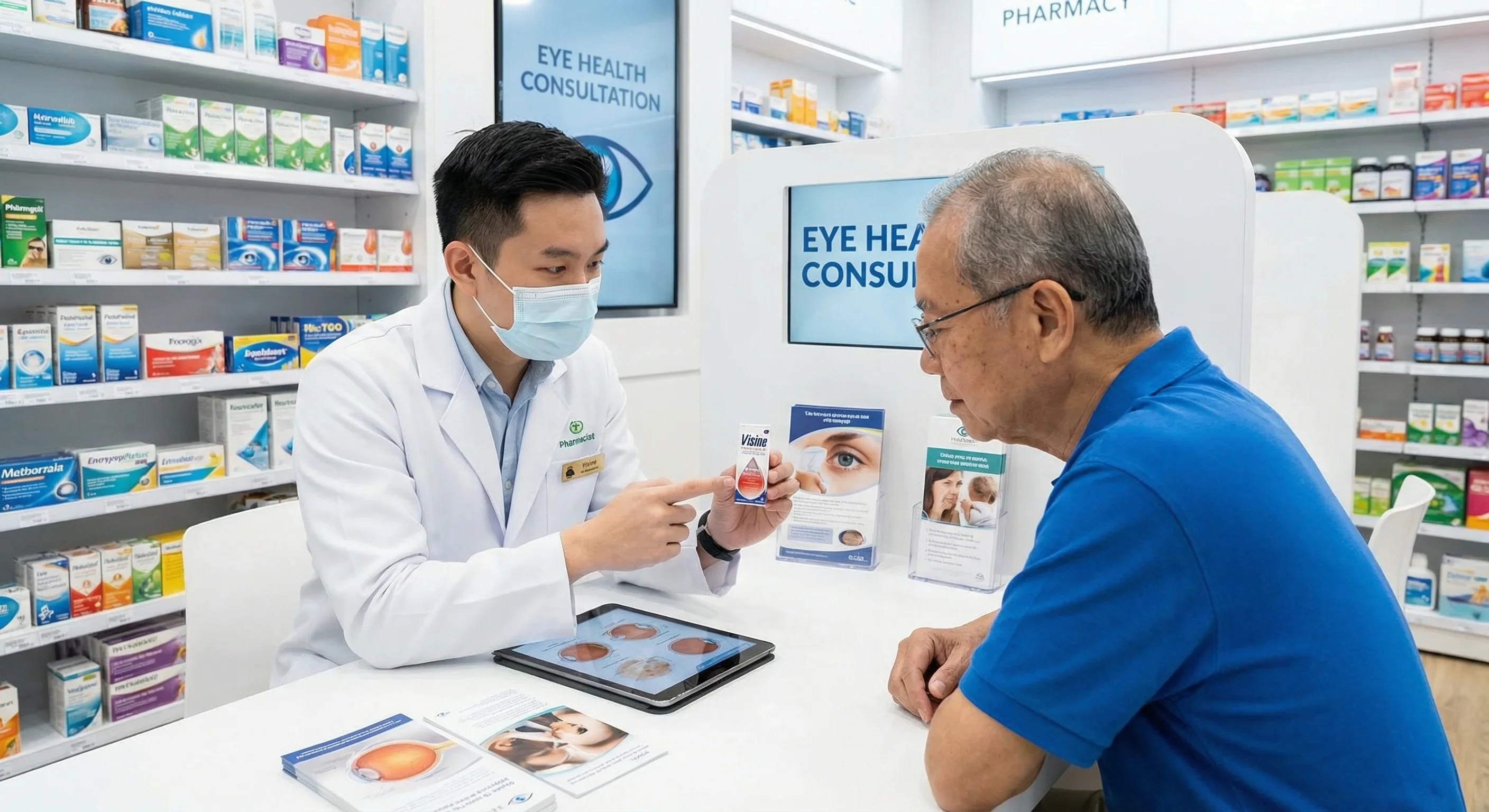
What is Conjunctivitis?
Conjunctivitis (also called pink eye or red eye) is an eye condition caused by infection or allergies. It affects the conjunctiva - the thin, transparent layer of tissue that covers the white part of your eye and lines your eyelids.
There are different types of conjunctivitis: bacterial (causes sticky pus discharge), viral (red, watery, gritty eyes, often with cold symptoms), and allergic (hay fever - itchy, watery eyes). Some sexually transmitted infections can also cause conjunctivitis.
Through the HSE Common Conditions Service, pharmacists can assess your conjunctivitis, determine the type, and prescribe antibiotic eye drops for bacterial infections - all without needing a GP appointment.
Signs & Symptoms
Common symptoms include:
- • Bloodshot (red) eyes
- • Itchy, gritty, or sore eyes
- • Pus that sticks to lashes (bacterial) or watery discharge (viral/allergic)
- • Swollen eyelids
- • Increased sensitivity to light
Bacterial
- • Thick, sticky pus discharge
- • Eyelids stuck shut in morning
- • May start in one eye, spread to both
- • Contagious
Viral
- • Watery, clear discharge
- • Red, gritty feeling
- • Often with cold/flu symptoms
- • Highly contagious
Allergic
- • Very itchy eyes (main symptom)
- • Watery eyes
- • Both eyes affected
- • NOT contagious
When to See a Pharmacist
You have red, sore eyes with discharge
Your eyelids are stuck together in the morning
You have itchy, watery eyes during hay fever season
You want quick access to antibiotic eye drops
🚨 URGENT: See GP, optician, or ED immediately if:
- • Severe eye pain
- • Vision changes (blurred, reduced, cloudy vision)
- • Sensitivity to light (photophobia)
- • Coloured halos around lights
- • Eye injury or foreign body you can't remove
- • Contact lens wearer with red, painful eye
- • Baby under 28 days with red/sticky eyes
- • Symptoms not improving after 2 weeks
How to tell what it is
Other conditions that can look like conjunctivitis, but aren’t.
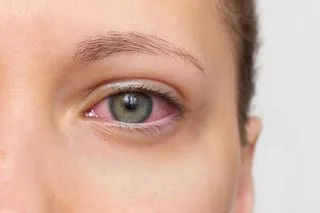
Allergic conjunctivitis
Itchy, watery, red eyes from hay fever or other allergens. Not bacterial/viral — rule out.
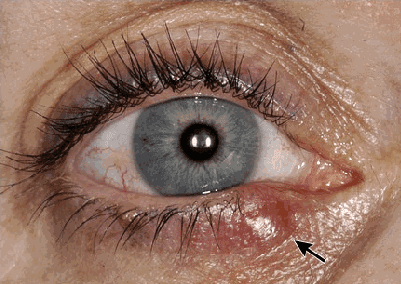
Stye (hordeolum)
A tender, swollen bump on the eyelid edge. Usually clears on its own.
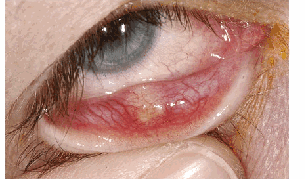
Chalazion
A painless lump from a blocked oil gland in the eyelid. Not contagious.
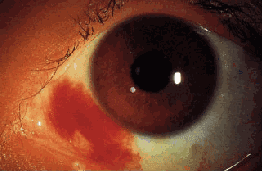
Subconjunctival haemorrhage
A bright red patch on the white of the eye. Looks alarming but usually harmless.
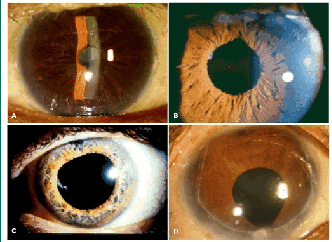
Anterior uveitis
Pain, light sensitivity, irregular pupil. Needs same-day eye specialist review.
Photos of the actual condition are sourced from the HSE.
Treatment Available
Treatment depends on the type of conjunctivitis. Bacterial conjunctivitis is treated with antibiotic eye drops. Viral conjunctivitis usually clears on its own. Allergic conjunctivitis responds to antihistamine drops.
What the pharmacist will do:
- •Examine your eyes to determine the type of conjunctivitis
- •Check for signs of more serious conditions
- •Prescribe antibiotic eye drops for bacterial conjunctivitis
- •Recommend antihistamine drops for allergic conjunctivitis
- •Advise on eye hygiene and preventing spread
- •Refer to GP or optician if needed
Self-Care at Home
- Gently clean your eyelids with clean cotton wool soaked in cooled boiled water
- Apply a cool, clean compress to soothe irritation
- Wash hands frequently and avoid touching your eyes
- Don't share towels, pillows, or face cloths
- Stop wearing contact lenses until fully recovered
Contact Lens Wearers
Stop wearing lenses immediately. Don't restart until: infection cleared, treatment completed, eyes comfortable and white. Dispose of current lenses - use a fresh pair. Contact lens wearers with painful red eyes should seek same-day assessment.
How to Book a Consultation
Option 1: Book Online
Search for pharmacies in your area and book your consultation time online.
Find a PharmacyOption 2: Walk In or Call
Visit your local participating pharmacy directly or call ahead to book an appointment.
Consultation fee: Set by each pharmacy and shown when you book. Eye drops cost is additional.
Frequently Asked Questions
What causes conjunctivitis?
Conjunctivitis has several causes: BACTERIAL INFECTION - causes sticky, pus-like discharge that glues eyelids shut overnight. Common bacteria include Staphylococcus, Haemophilus. Contagious. VIRAL INFECTION - causes red, watery, gritty eyes, often with cold/flu symptoms. Highly contagious. Self-limiting. ALLERGIES (hay fever) - causes red, itchy, watery eyes, usually both eyes. Triggered by pollen, dust mites, pet dander. NOT contagious. IRRITANTS - chemicals, smoke, chlorine can cause red, irritated eyes. NOT contagious.
How do I know if my conjunctivitis is bacterial or viral?
BACTERIAL: thick, sticky, yellow-green PUS discharge; eyelids stuck together in morning; affects one then both eyes; no cold symptoms. VIRAL: watery, clear discharge; red, gritty eyes; often have cold/flu symptoms; highly contagious; affects one then both eyes. ALLERGIC: itchy eyes (main symptom); watery discharge; both eyes affected; hay fever symptoms (sneezing, runny nose); seasonal pattern. A pharmacist can examine your eyes and help determine the type.
Can a pharmacist prescribe antibiotics for conjunctivitis?
Yes. Under the HSE Common Conditions Service, pharmacists can assess conjunctivitis and prescribe antibiotic eye drops (chloramphenicol 0.5% or fusidic acid 1%) for bacterial conjunctivitis. They can also recommend antihistamine eye drops for allergic conjunctivitis. Consultation includes eye examination, type determination, treatment advice. The consultation fee is set by each pharmacy and shown when you book. The pharmacist will refer to GP or optician if concerned about more serious eye conditions.
Is conjunctivitis contagious?
BACTERIAL and VIRAL conjunctivitis are CONTAGIOUS - spread through: direct contact with infected eye secretions; touching eyes with contaminated hands; sharing towels, pillows, eye makeup. Contagious period: until 24-48 hours after starting antibiotics (bacterial), or until symptoms resolve (viral - usually 7-14 days). ALLERGIC conjunctivitis is NOT contagious - it's your immune system reacting to allergens.
When should I seek urgent care for eye problems?
URGENT - Same-day GP, optician, or ED: Severe eye pain; vision changes (blurred, cloudy, reduced vision); sensitivity to light (photophobia); coloured halos around lights; eye injury or foreign body you can't remove; contact lens wearer with red painful eye; newborn baby with red/swollen/sticky eyes; symptoms not improving after 2 weeks; one-sided severe redness with pain. These may indicate keratitis, glaucoma, iritis, or corneal ulcer requiring specialist treatment.
How long does conjunctivitis last?
BACTERIAL: with antibiotic drops, improves within 1-2 days, clears in 5-7 days. Apply drops every 2 hours initially, reducing as improves. Complete full course. VIRAL: self-limiting, usually resolves in 7-14 days without specific treatment. Use lubricating drops and cold compresses for comfort. ALLERGIC: controlled with antihistamine drops during exposure to allergens, may recur seasonally. Without treatment, bacterial may take 1-2 weeks to resolve on its own.
Can I wear contact lenses with conjunctivitis?
NO - Stop wearing contact lenses if you have conjunctivitis. Resume only when: infection has completely cleared; you've completed antibiotic course; eyes are comfortable and white again; wait at least 24 hours after finishing treatment. Dispose of current lenses and open a fresh pair. Clean or replace lens case. Contact lens wearers with red, painful eyes should seek SAME-DAY assessment as they're at higher risk of serious corneal infections. Don't use eye drops while lenses are in.
How can I prevent conjunctivitis from spreading?
DO: Wash hands frequently and thoroughly; use separate towels and face cloths (wash in hot water); avoid touching or rubbing eyes; stay home from work/school while contagious (first 24-48h of treatment); dispose of tissues immediately; clean eye discharge with clean cotton wool for each eye. DON'T: Share towels, pillows, or eye makeup; touch infected eye then touch other eye; use swimming pools while contagious; wear contact lenses until fully recovered.
What about conjunctivitis in babies and children?
Babies under 28 days with red/swollen/sticky eyes need URGENT medical attention - may be serious neonatal infection. Sticky eyes in older babies often due to blocked tear duct (nasolacrimal duct obstruction) - usually clears by age 1. Children can be treated by pharmacist under Common Conditions Service (usually over 6 months at pharmacist's discretion). Children should stay home from school/crèche until 24 hours after starting treatment or eyes are no longer sticky. Clean eyes with cooled boiled water and clean cotton wool.
How much does conjunctivitis treatment cost at a pharmacy?
Consultation fee: set by each pharmacy and shown when you book. Antibiotic eye drops (chloramphenicol): approximately €6-10, plus the consultation fee set by the pharmacy. Medical card holders: the consultation fee still applies, but prescribed medication may be covered under the GMS scheme. Drugs Payment Scheme (DPS): pay maximum €80 per month for approved medications. Over-the-counter antihistamine drops for allergic conjunctivitis: €8-15 (no consultation needed if clearly allergic).
Find Participating Pharmacies
All pharmacies offering the Common Conditions Service provide treatment for all eight conditions, including conjunctivitis.
Search Pharmacies Near YouMedical content source: HSE.ie (Health Service Executive, Ireland)
Information accurate as of February 2026. For official HSE guidance, visit hse.ie/conditions/conjunctivitis