Impetigo Treatment
Fast, professional treatment for this highly contagious skin infection. Get expert assessment and antibiotic prescriptions at your local pharmacy.
What is Impetigo?
Impetigo is a highly contagious bacterial skin infection that's very common, especially in young children. It's caused by bacteria (usually Staphylococcus aureus or Streptococcus pyogenes) that infect the superficial layers of the skin.
The infection typically starts in areas of damaged skin - cuts, scratches, or eczema - but can also affect healthy skin. It causes red sores or blisters that burst and leave crusty, golden-brown patches that look like cornflakes stuck to the skin.
While impetigo is not usually serious, it is very contagious and spreads easily through direct contact. With antibiotic treatment from a pharmacist, it typically clears up within 7-10 days.
Signs & Symptoms
Classic impetigo appearance:
- • Red sores or blisters that can start anywhere on the body
- • Most commonly on face, hands, or around the tummy
- • Blisters burst and leave crusty, golden-brown patches
- • Patches look like cornflakes stuck to the skin
- • Can spread to other body parts if scratched
- • Often itchy, sometimes painful
Note:
- Redness may be harder to see on brown and black skin - look for the characteristic golden crusts and texture changes
- Anyone can get impetigo, but it's most common in young children aged 2-5
- A pharmacist will check that it's not something more serious like cellulitis
When to See a Pharmacist
A pharmacist can help you through the Common Conditions Service if:
You or your child has the characteristic crusty, golden-brown patches
The infection is localized (affecting a small area)
You want fast access to antibiotic treatment
You need advice on preventing spread to others
⚠️ Important: Contact before visiting
Due to its high contagiousness, phone ahead or check online before visiting the pharmacy in person. This helps protect other patients.
See a GP instead if:
- • Impetigo is widespread (covering large areas)
- • Symptoms are getting worse despite treatment
- • Impetigo keeps coming back (may need nasal swab)
- • Signs of deeper infection (spreading redness, warmth, swelling, fever)
- • You or your child are generally unwell
How to tell what it is
Other conditions that can look like impetigo, but aren’t.
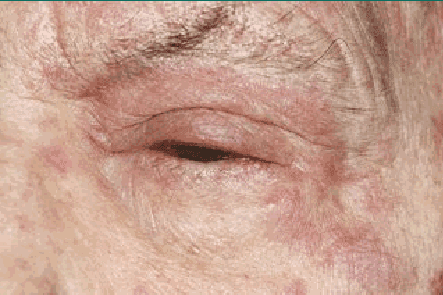
Shingles (herpes zoster)
Painful blisters in a band on one side of the face/body. Different cause and treatment.
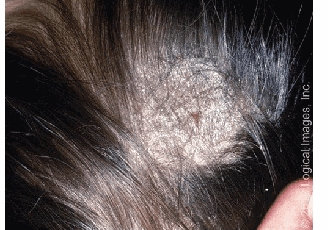
Ringworm (fungal)
A ring-shaped scaly rash with a clearer centre. Needs antifungal cream, not antibiotics.
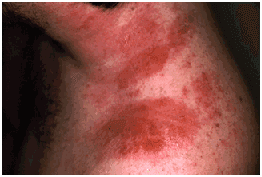
Contact dermatitis
Itchy red rash exactly where something touched the skin. Not infectious.
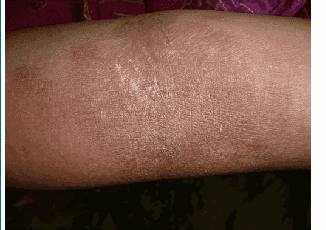
Atopic eczema
Patchy dry, itchy skin that flares up. Chronic, not infectious.
Photos of the actual condition are sourced from the HSE.
Treatment Available
Antibiotic cream is the first-line treatment for localized impetigo. Applied directly to the affected areas, it kills the bacteria causing the infection and speeds up healing.
What the pharmacist will do:
- •Examine the affected areas to confirm impetigo diagnosis
- •Check it's not cellulitis or other condition requiring different treatment
- •Prescribe antibiotic cream (fusidic acid or mupirocin)
- •Explain how to apply the cream correctly
- •Provide advice on preventing spread
- •Refer to GP if widespread or oral antibiotics needed
Preventing Spread While Contagious
DO:
- Stay at home (keep children off school/daycare)
- Keep sores clean and covered with loose gauze
- Wash hands frequently with soap and warm water
- Wash face cloths, towels, and bedding at high temperature
- Clean toys with soap and warm water
DON'T:
- Touch or scratch sores (prevents spreading and scarring)
- Share towels, face cloths, or bedding
- Have close contact with others, especially those with weakened immune systems or diabetes
- Prepare food for other people
- Go to the gym or play contact sports
When can you return to normal activities? 48 hours after starting antibiotic treatment, or when patches have dried out and crusted over if no treatment is used.
How to Book a Consultation
Option 1: Book Online
Search for pharmacies in your area and book your consultation time online.
Find a PharmacyOption 2: Phone Ahead
Call before visiting due to the contagious nature of impetigo. The pharmacy can advise on the best time to visit and take precautions.
Consultation fee: Set by each pharmacy and shown when you book. Prescribed medication costs are additional.
Frequently Asked Questions
What causes impetigo?
Impetigo is caused by bacterial infection, usually Staphylococcus aureus (most common) or Streptococcus pyogenes (Group A strep). Bacteria typically enter through broken skin from cuts, scratches, or eczema. It can also infect healthy undamaged skin. The infection is highly contagious and spreads through direct contact with infected sores or contaminated items like towels, face cloths, and toys.
How long does impetigo last?
With antibiotic treatment: impetigo typically heals within 7-10 days. Without treatment: takes 2-3 weeks to clear. The infection stops being contagious 48 hours after starting antibiotic treatment, OR when patches have dried out and crusted over (if no treatment used). Complete the full antibiotic course even if symptoms improve to prevent recurrence and antibiotic resistance.
Can a pharmacist treat impetigo?
Yes. Under the HSE Common Conditions Service, pharmacists can assess impetigo and prescribe topical antibiotic cream (fusidic acid or mupirocin) for localized infections. The consultation includes examination, hygiene advice, and infection prevention guidance. For widespread impetigo requiring oral antibiotics, recurrent infections, or suspected cellulitis, the pharmacist will refer to your GP. The consultation fee is set by each pharmacy and shown when you book.
Is impetigo contagious?
Yes - impetigo is HIGHLY contagious. It spreads through: direct contact with infected sores; touching contaminated items (towels, face cloths, toys, bedding); scratching sores then touching other body parts or other people. Contagious period: from when sores appear until 48 hours after starting antibiotics, OR when patches dry/crust over without treatment. Keep children home from school/daycare while contagious.
How can I prevent impetigo from spreading?
DO: Stay home until no longer contagious; wash hands frequently with soap; keep sores covered with loose gauze; wash towels, face cloths, and bedding at high temperature; clean toys with soap and water. DON'T: Touch or scratch sores; share towels, face cloths, or bedding; have close contact with vulnerable people (immunocompromised, diabetics); prepare food for others; play contact sports or go to gym while infectious.
When should I see a doctor for impetigo?
See GP (not just pharmacist) if: impetigo is widespread or covering large areas; symptoms worsen despite treatment; impetigo keeps coming back (may need nasal swab for bacterial carriage); signs of deeper infection/cellulitis (spreading redness, warmth, swelling, fever); child becomes generally unwell; you're immunocompromised or diabetic. Pharmacist will refer to GP if symptoms suggest cellulitis or if oral antibiotics are needed.
Why does impetigo keep coming back?
Recurrent impetigo is often due to nasal bacterial carriage - bacteria living in the nose that repeatedly reinfect the skin. Your GP can take a nasal swab to check for this. Treatment involves mupirocin nasal ointment twice daily for 5 days to eradicate bacterial carriage. Other causes: incomplete antibiotic courses, ongoing skin conditions (eczema), continued exposure to infected contacts, or diabetes/immune problems.
Can impetigo cause serious complications?
Rare but possible complications include: CELLULITIS - deeper skin infection with spreading redness, warmth, swelling (seek urgent care); POST-STREPTOCOCCAL GLOMERULONEPHRITIS - rare kidney inflammation 1-3 weeks after strep impetigo, causing blood in urine, swelling, high blood pressure; SCARRING - if lesions are scratched or become secondarily infected; ECTHYMA - deeper ulcerative form. Most impetigo heals completely without complications when properly treated.
What does impetigo look like?
Classic appearance: Red sores or blisters that burst and leave HONEY-COLORED (golden-brown) crusted patches - often described as 'cornflakes stuck to the skin'. Usually appears on exposed areas: face (especially around nose and mouth), hands, arms, or around the tummy. Patches can spread and get bigger. May be itchy or sore. Redness may be harder to see on brown and black skin - look for golden crusts and texture changes.
How much does impetigo treatment cost at a pharmacy?
Consultation fee: set by each pharmacy and shown when you book. Medication: Fusidic acid cream approximately €8-15, plus the consultation fee set by the pharmacy. Medical card holders: the consultation fee still applies, but prescribed medication may be covered under the GMS scheme. Drugs Payment Scheme (DPS): pay maximum €80 per month for approved medications. Children are commonly affected - check if your pharmacy offers pediatric consultations under Common Conditions Service.
Find Participating Pharmacies
All pharmacies offering the Common Conditions Service provide treatment for all eight conditions, including impetigo.
Search Pharmacies Near YouMedical content source: HSE.ie (Health Service Executive, Ireland)
Information accurate as of February 2026. For official HSE guidance, visit hse.ie/conditions/impetigo