Shingles Treatment
Fast, professional treatment for shingles. Early antiviral treatment within 3 days can reduce severity and prevent complications.
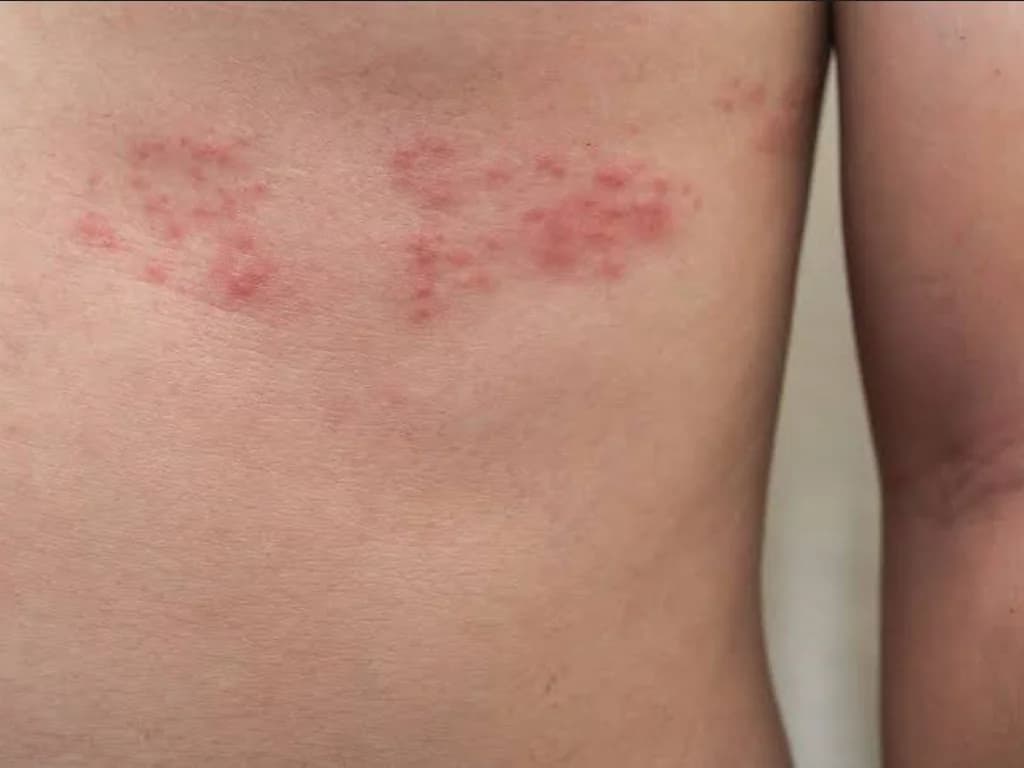
What is Shingles?
Shingles is an infection that causes a painful rash, caused by the varicella zoster virus - the same virus that causes chickenpox. After you recover from chickenpox, the virus doesn't leave your body. Instead, it remains dormant in nerve tissue and can reactivate years later as shingles.
This reactivation usually happens when your immune system is weakened - due to stress, aging, certain medications (like chemotherapy), or health conditions. The virus travels along nerve pathways to your skin, causing the characteristic painful rash.
Early treatment is crucial. Through the HSE Common Conditions Service, pharmacists can assess your symptoms and prescribe antiviral medication - but it's most effective if started within 3 days of the rash appearing.
Signs & Symptoms
Early warning signs (before rash appears):
- • Tingling or painful feeling in an area of skin
- • Headache or feeling generally unwell
- • Usually appears near or around your eye (seek urgent care if so)
The rash (appears a few days after early signs):
- • Red blotches on ONE side of your body only
- • Usually on chest and tummy, but can be on face, eyes, or genitals
- • Blotches become itchy blisters that ooze fluid
- • Blisters dry out and crust over after a few days
- • Skin remains painful until after the rash has gone
Important identifying features:
- The rash only appears on ONE side of your body - a rash on both sides is unlikely to be shingles
- Can form a cluster or band-like pattern following a nerve pathway
- The rash may be red, but can be harder to see on brown and black skin
- Can also cause eye redness and soreness, affecting sight or hearing, or difficulty moving one side of your face
When to See a Pharmacist
⏰ Time is critical with shingles!
See a pharmacist or GP as soon as you notice the first signs of shingles. Antiviral medicine works best if you start taking it within 3 days of the rash appearing.
You have the early signs of shingles (tingling, pain in an area of skin, headache)
A rash has appeared on one side of your body
You want fast access to antiviral treatment and pain relief
You need advice on managing symptoms and preventing spread
🚨 URGENT: Contact GP or Emergency Department immediately if:
- • Shingles develops around your eyes - this needs urgent medical attention to prevent sight loss
- • You experience severe pain that's not controlled by over-the-counter painkillers
- • Signs of infection (rash becomes very red, swollen, warm, or has pus)
- • Weakness on one side of your face (Ramsay Hunt syndrome)
- • Hearing problems or dizziness
How to tell what it is
Other conditions that can look like shingles, but aren’t.
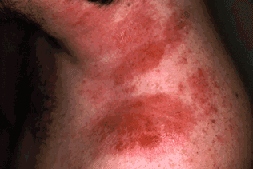
Contact dermatitis
Itchy rash where something touched the skin — usually on both sides of the body.
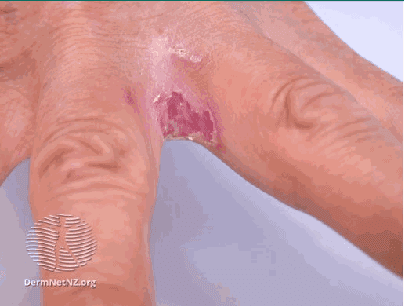
Skin yeast (candida)
Beefy red rash in skin folds with small pustules. Fungal, not viral.
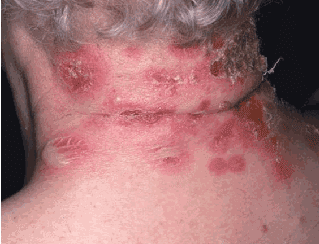
Bullous impetigo
Honey-coloured crusts and shallow blisters. Bacterial — needs antibiotics.
Photos of the actual condition are sourced from the HSE.
Treatment Available
Treatment for shingles depends on the severity of your symptoms and your overall health. Antiviral tablets are the main treatment and work by stopping the virus from multiplying, reducing the severity and duration of symptoms.
Your pharmacist may prescribe antivirals if you have:
- •A weakened immune system
- •Moderate or severe pain or rash
- •Rash affecting areas beyond your chest, tummy, and back
Additional Treatments
- Painkillers - for skin, muscle, or nerve pain
- Steroid tablets - in some cases to reduce inflammation
- Cool compresses - hold a bag of frozen vegetables wrapped in a towel or wet cloth to the rash a few times a day
Self-Care at Home
DO:
- Keep the rash clean and dry to reduce infection risk
- Wear loose-fitting clothing
- Use painkiller recommended by your pharmacist
- Apply cool compress to rash a few times daily
DON'T:
- Let dressings or plasters stick to the rash
- Wear clothes that irritate your skin
- Use antibiotic cream - this can slow healing
Preventing Spread
You cannot spread shingles, but people who've never had chickenpox can catch chickenpox from you.
- Avoid contact with pregnant women who've never had chickenpox, people with weakened immune systems, and babies under 1 month old
- Don't go to work or school if rash is still oozing fluid and can't be covered
- You can cover the rash with loose clothing or a non-sticky dressing
- You're only infectious while the rash oozes fluid
How to Book a Consultation
Option 1: Book Online
Search for pharmacies in your area and book your consultation time online.
Find a PharmacyOption 2: Walk In or Call
Visit your local participating pharmacy directly or call ahead. Don't delay - early treatment within 3 days is crucial for best results.
Consultation fee: Set by each pharmacy and shown when you book. Prescribed medication costs are additional.
Frequently Asked Questions
What causes shingles?
Shingles is caused by reactivation of the varicella zoster virus - the same virus that causes chickenpox. After chickenpox recovery, the virus remains dormant in nerve tissue. It can reactivate years later when the immune system is weakened by aging (especially over 50), stress, illness, certain medications (chemotherapy, immunosuppressants), or health conditions (HIV, cancer, autoimmune diseases).
How long does shingles last?
The shingles rash typically takes 2-4 weeks to heal completely. Timeline: prodromal symptoms (tingling, pain) 1-5 days before rash; vesicular rash appears and evolves over 7-10 days; crusting and healing over next 1-2 weeks. Pain can persist for weeks to months after rash heals (post-herpetic neuralgia) in 10-18% of cases. Early antiviral treatment started within 3 days of rash significantly reduces duration and complication risk.
Can a pharmacist prescribe treatment for shingles?
Yes. Under the HSE Common Conditions Service, pharmacists can assess shingles and prescribe oral antiviral tablets (aciclovir 800mg five times daily for 7 days) if appropriate. CRITICAL: Treatment works best when started within 3 days of rash appearing. Pharmacists can also recommend pain relief and provide advice on managing symptoms and preventing spread. The consultation fee is set by each pharmacy and shown when you book.
Is shingles contagious?
You cannot spread shingles directly to others. However, you can spread chickenpox to people who have never had chickenpox or the vaccine while your rash is oozing fluid. HIGH RISK GROUPS to avoid: pregnant women who've never had chickenpox, people with weakened immune systems, babies under 1 month old. You're infectious from when blisters appear until they crust over completely. Stay off work/school if rash is oozing and cannot be covered. Cover rash with loose clothing or non-sticky dressing.
When should I seek urgent care for shingles?
EMERGENCY - Contact GP/ED immediately if: shingles develops around your eyes (herpes zoster ophthalmicus) - can cause permanent vision loss; facial weakness on one side (Ramsay Hunt syndrome); severe pain uncontrolled by OTC painkillers; hearing problems or dizziness; signs of infection (rash becomes very red, swollen, warm, has pus); neurological symptoms (confusion, severe headache). See pharmacist/GP urgently: within 3 days of rash appearing; if pregnant; if immunocompromised; if rash affects multiple areas.
Can I prevent shingles?
Shingles vaccine (Zostavax or Shingrix) is available privately in Ireland (not covered by medical card or DPS). Recommended for adults over 50 and immunocompromised individuals. Vaccine significantly reduces shingles risk and severity. Cost: approximately €150-250 depending on pharmacy/vaccine type. Talk to your GP or pharmacist about vaccination. General prevention: maintain good health, manage stress, get adequate sleep, healthy diet to support immune function.
What is post-herpetic neuralgia?
Post-herpetic neuralgia (PHN) is persistent nerve pain lasting for months or years after shingles rash heals. Occurs in 10-18% of shingles cases, rising to 25%+ in those over 60. Symptoms: burning, stabbing, or aching pain in area where rash was; extreme sensitivity to touch; pain interfering with sleep and daily activities. Treatment: gabapentin, pregabalin, amitriptyline, topical lidocaine patches. PREVENTION: Starting antiviral treatment within 3 days of rash significantly reduces PHN risk.
Can I get shingles more than once?
Yes, but it's uncommon. About 1-5% of people who've had shingles will get it again. Second episodes may occur in different locations (different dermatomes). Risk factors for recurrence: weakened immune system, advanced age, severe first episode. Shingles vaccine can reduce recurrence risk even if you've already had shingles.
Why is the 3-day treatment window so important?
Antiviral medications work by stopping the varicella zoster virus from multiplying. Within first 72 hours (3 days) of rash, the virus is actively replicating. Starting antivirals during this window significantly: reduces rash severity and spread; decreases pain intensity; shortens healing time by several days; reduces risk of complications including post-herpetic neuralgia by up to 50%; lowers risk of vision loss if eye area affected. After 3 days, virus replication slows and treatment is less effective, though still prescribed for immunocompromised or severe cases.
How much does shingles treatment cost at a pharmacy?
Consultation fee: set by each pharmacy and shown when you book. Medication costs: Aciclovir 800mg tablets (7-day course) approximately €15-25 private prescription, plus the consultation fee set by the pharmacy. If you have a medical card: the consultation fee still applies, but prescribed medication may be covered under the GMS scheme. Drugs Payment Scheme (DPS): maximum €80 per month for all approved medications. Pain relief (OTC paracetamol/ibuprofen): €3-8.
Find Participating Pharmacies
All pharmacies offering the Common Conditions Service provide treatment for all eight conditions, including shingles.
Search Pharmacies Near YouMedical content source: HSE.ie (Health Service Executive, Ireland)
Information accurate as of February 2026. For official HSE guidance, visit hse.ie/conditions/shingles